The school project people wanted to buy
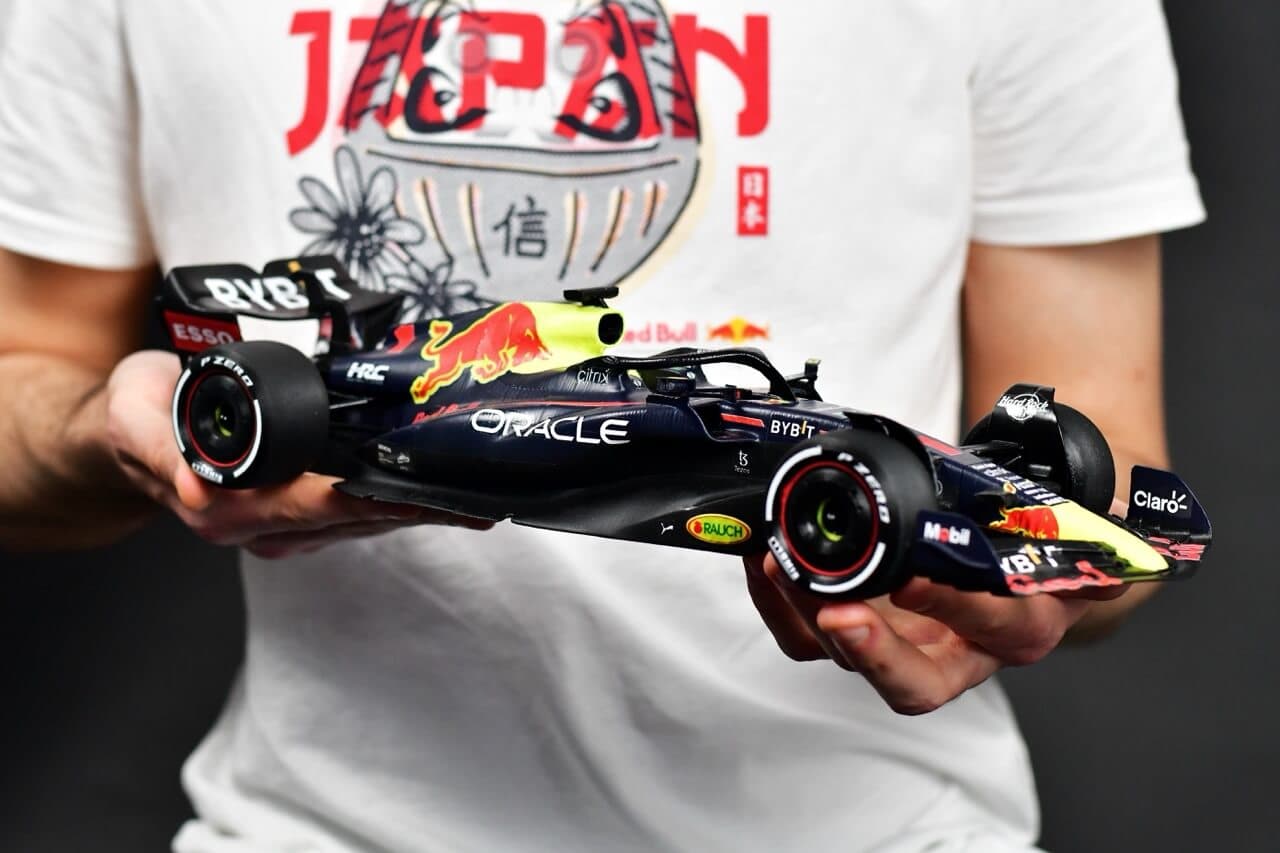
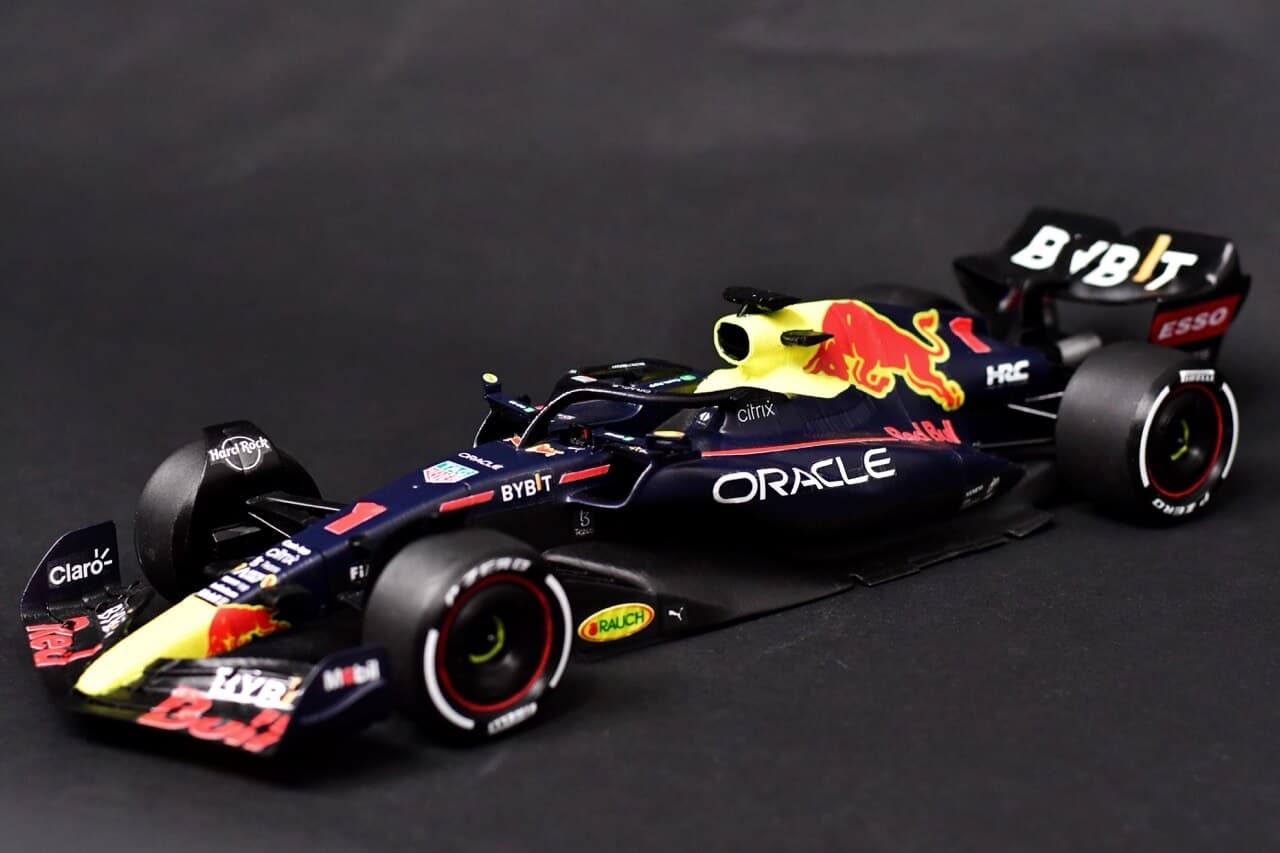
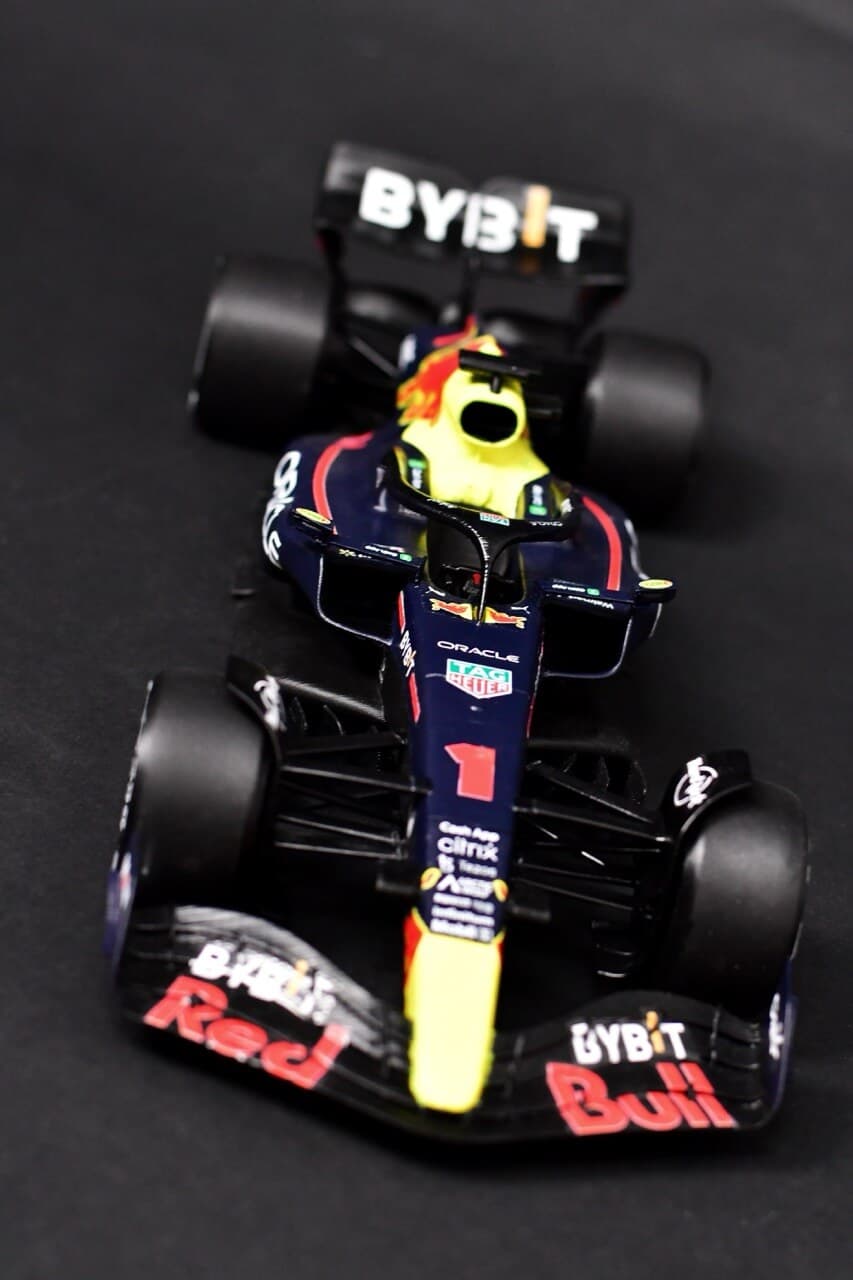
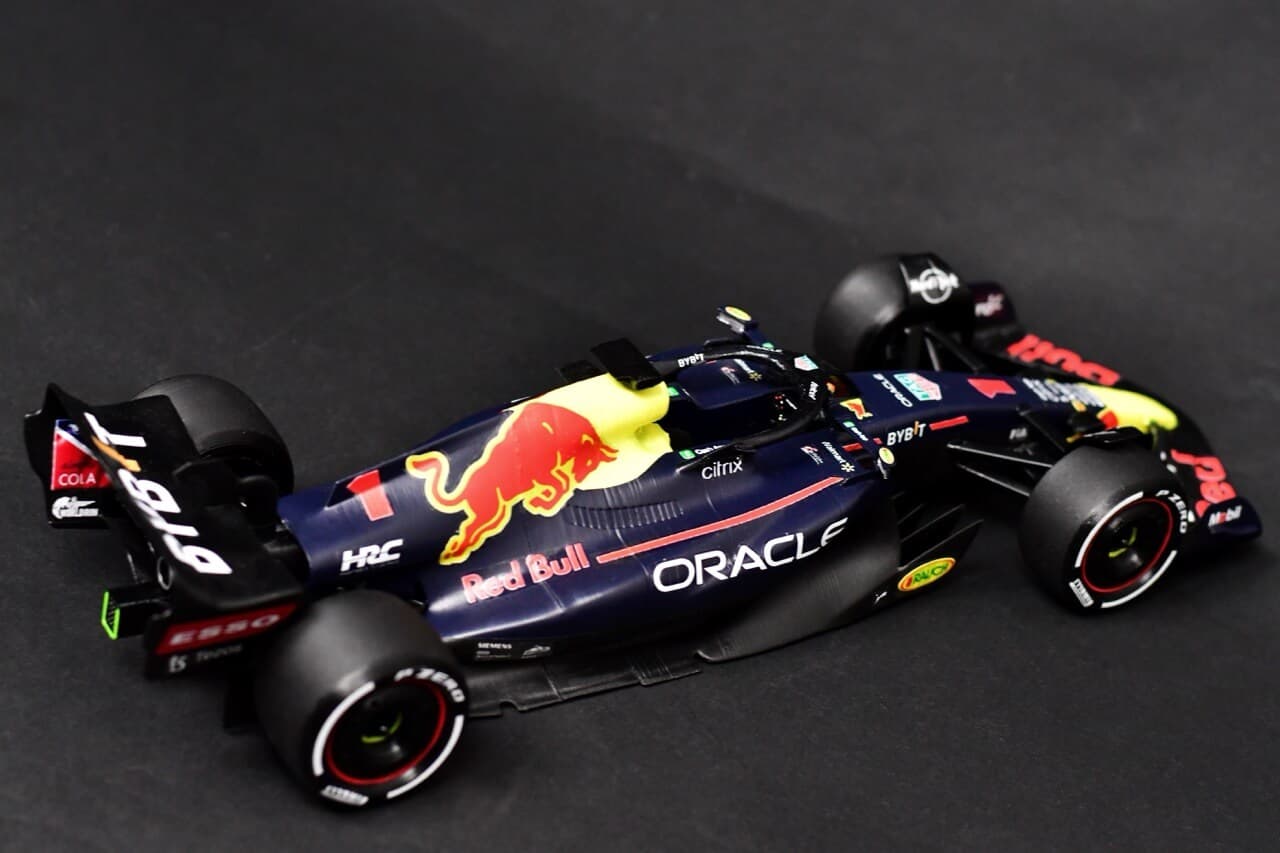
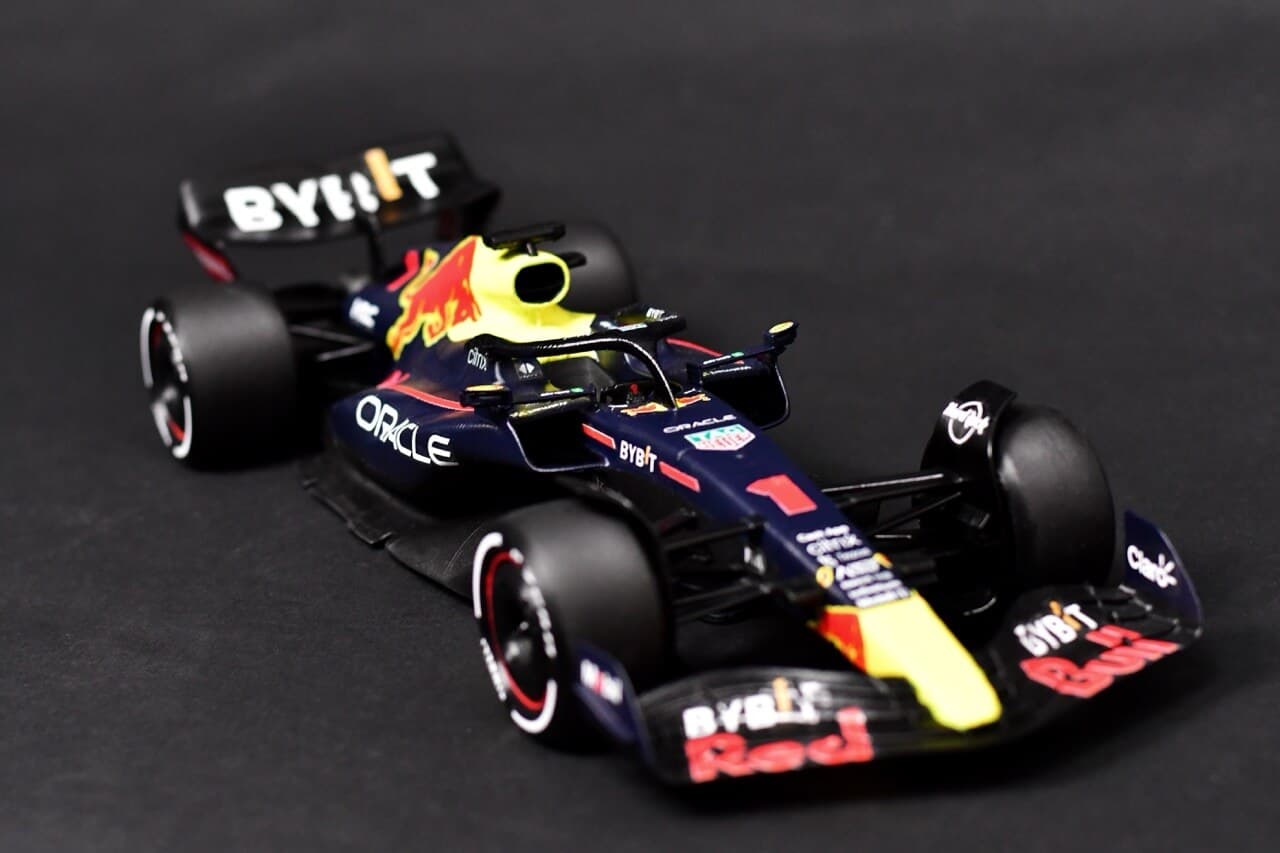
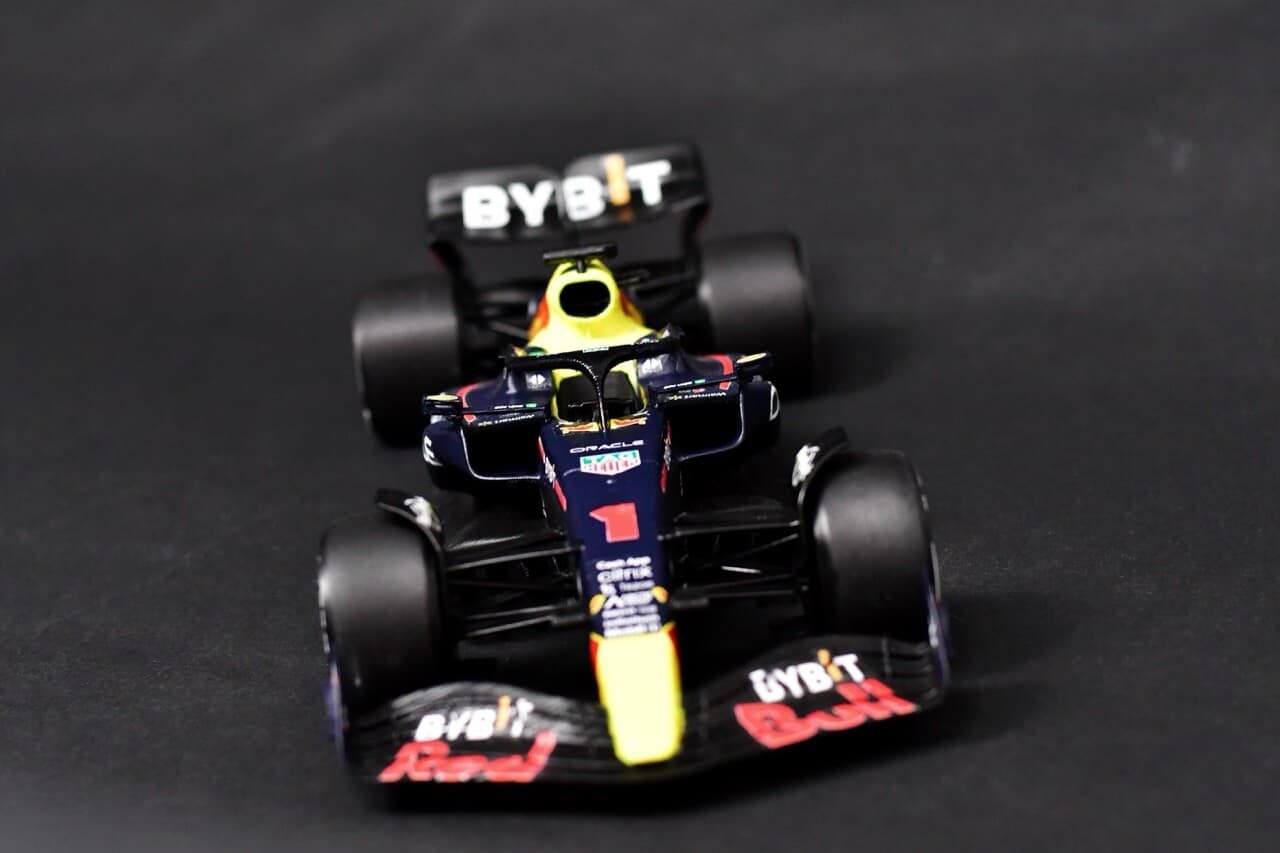
A fan-made 3D printed F1 model that took over 200 hours to build and reached more than 30,000 views online.
About the project
This project started as my final school assignment. I wanted to create something that would not feel like just another school project, but a piece of work I genuinely cared about — something that would challenge my design thinking, technical skills, and attention to detail.
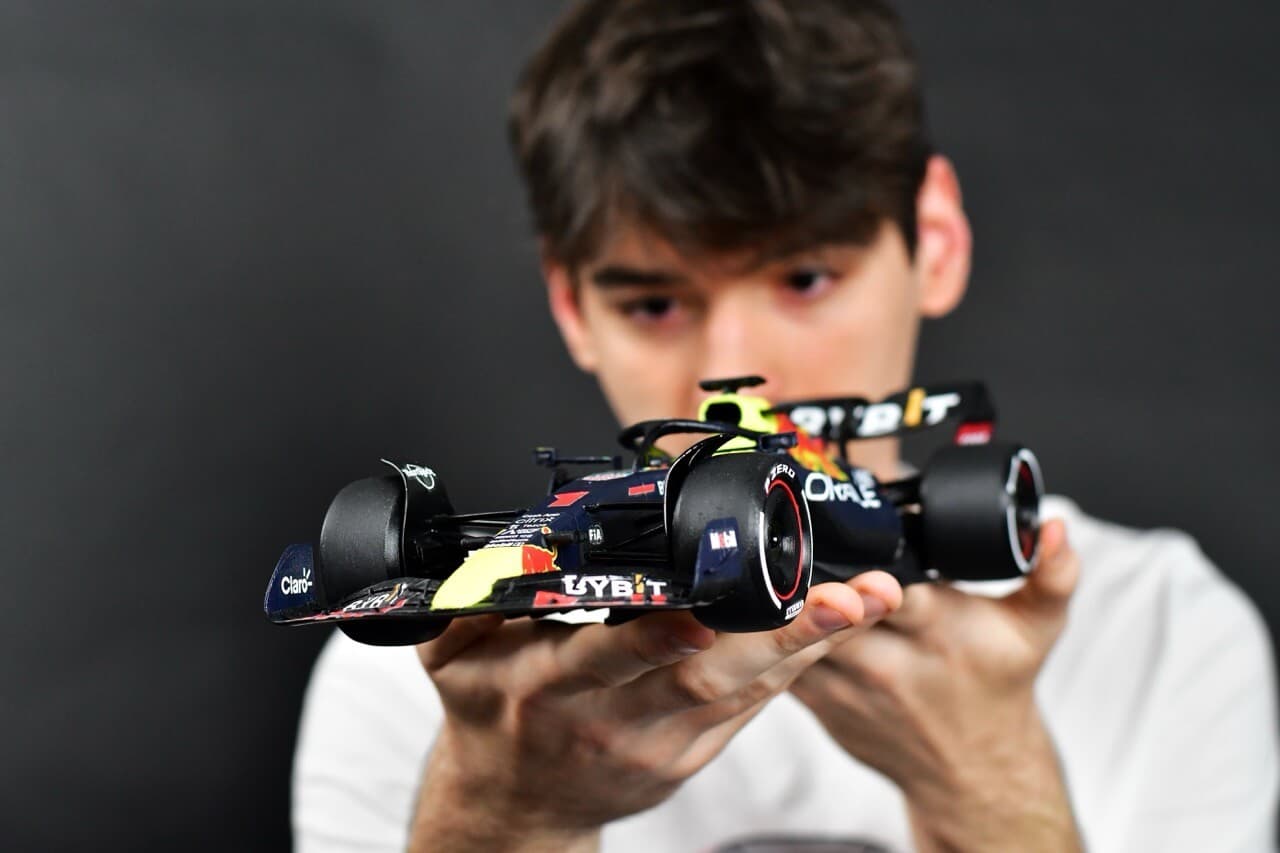
I decided to model and 3D print a fan-made RB18 Formula 1 car inspired by Red Bull Racing. The project was created mainly in Blender, and the final physical model was approximately 40 cm long.
From the first modelling steps to the final result, the project took around 200 hours of work, not including the actual printing time.
Project in numbers
- 200+
- hours of work
- 40 cm
- model length
- 99.7%
- positive review ratio
- 30,000+
- total views
The challenge
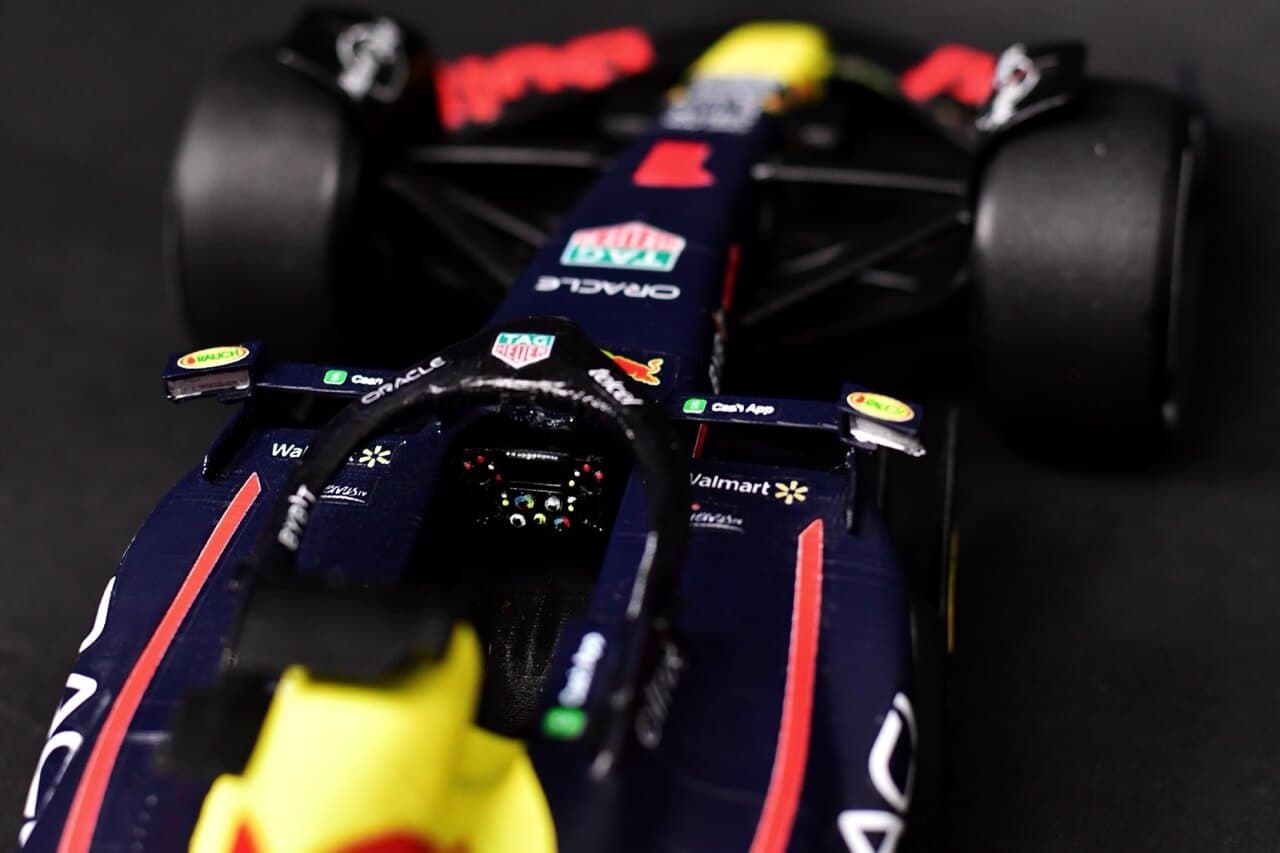
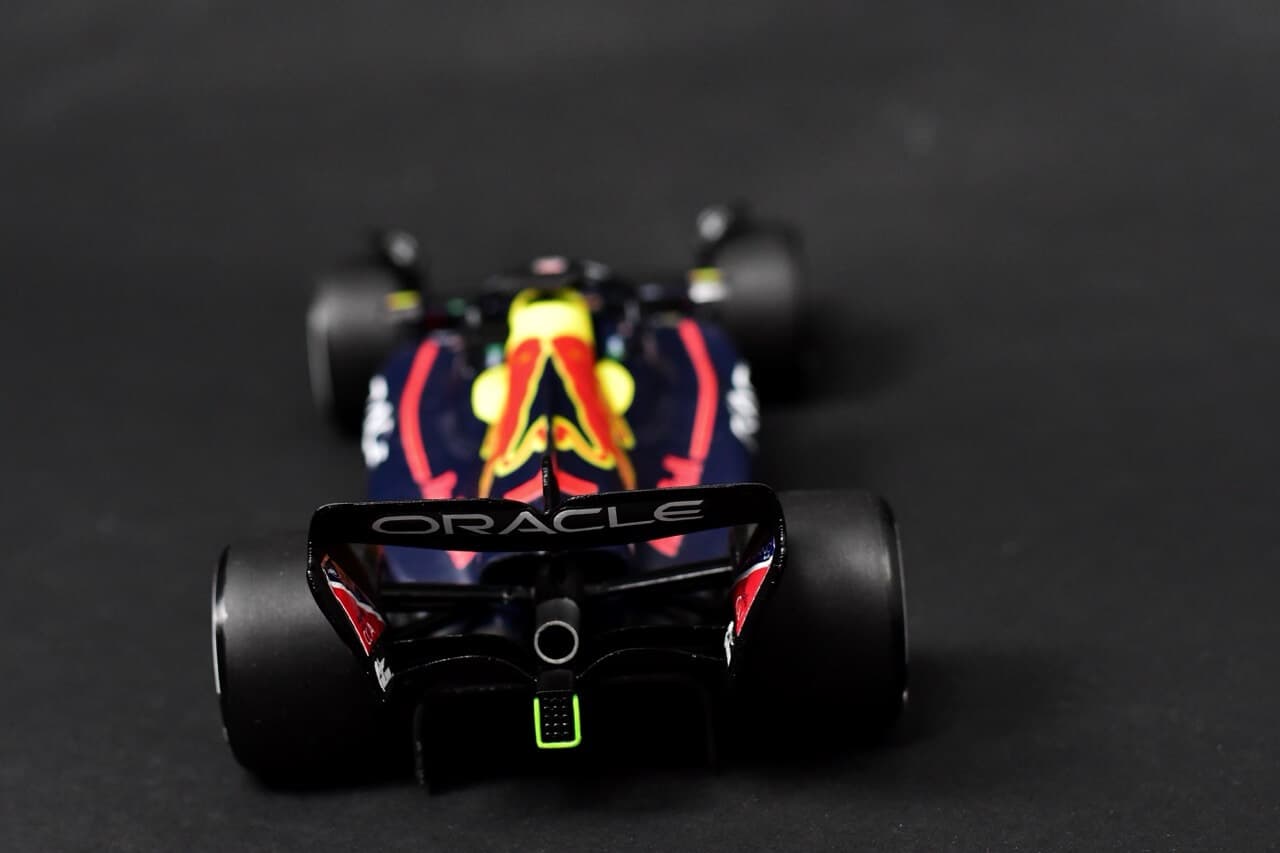
The biggest technical challenge was the modelling itself. A Formula 1 car has a very complex shape, many aerodynamic details, and several parts that are extremely thin in real life.
To make the model work as a physical 3D print, I had to adjust some elements so they would still look visually accurate, but also be strong enough and printable at this scale. It was not just about creating a model that looked good on screen. Every part had to make sense as a real object.
A lot of things went wrong along the way. Some prints failed, some parts had to be redesigned, and I had to solve practical issues such as color choices, part connections, and the overall quality of the final finish.
It was not an easy project, but that was also what made it exciting. It combined motorsport, 3D modelling, technical problem-solving, and a lot of patience.
The process
I built the project step by step, part by part. Throughout the process, I had to constantly balance visual accuracy with the limitations of 3D printing.
Some details had to be simplified, others had to be strengthened, and some parts required a completely different approach to make them work at this scale. Formula 1 cars are full of thin, sharp, and complex elements that may look good in a digital model, but quickly hit physical limits once they need to be printed.
The process was not only about modelling. It also involved testing, fixing, reprinting, and gradually refining the final result. It was a project where the digital design constantly had to meet the reality of a physical object.
In the end, the result turned out exactly the way I hoped. I received the highest grade for the final school defense, but looking back, what happened afterwards became even more interesting to me.
Social media response
After sharing the project online, it received much more attention than I expected. It performed especially well on Reddit in the Red Bull Racing fan community, where it became one of the top posts.
People in the comments asked whether they could buy the model or get the STL files. At the time, I decided not to sell it because I was not sure about the rights and monetization rules around fan-made work inspired by Formula 1 teams.
Even without selling it, the response meant a lot. What started as a school assignment and personal hobby suddenly reached a community of people who shared the same passion for motorsport.
What I learned
This project gave me much more than experience with Blender and 3D printing. It taught me patience, attention to detail, and how to solve problems that only appear when a digital design becomes a physical object.
It also showed me the value of personal projects. Even when they are not made for a client, a deadline, or a commercial outcome, they can often teach you more than a standard assignment.
I am still proud of this model today. And I have been thinking more and more about returning to this type of project again — this time purely for fun.
More articles

Let’s work together